What Grills Do Hibachi Restaurants Use
Hibachi restaurants are global landmarks of theatrical dining, blending high-speed culinary skill with intense, flavorful heat. While the performance happens on a flat surface, the soul of Japanese-style grilling often relies on specialized charcoal-fired equipment. This guide explores the professional-grade grills that power hibachi establishments and why Auplex Kamado’s ceramic technology has become the backbone of modern outdoor and interactive dining operations.
Types of Grills Powering the Hibachi Experience
In a professional hibachi setting, equipment is typically categorized into two distinct types based on the menu’s needs:
Teppanyaki Griddles (Gas/Electric): These are the large, flat stainless steel surfaces where chefs perform tricks with rice and vegetables.
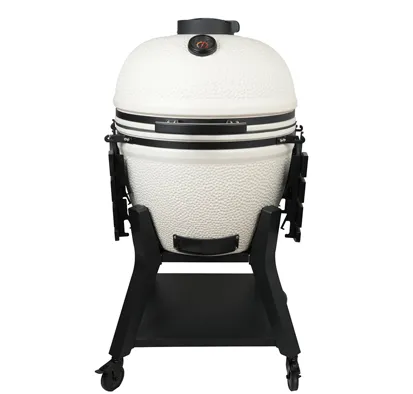
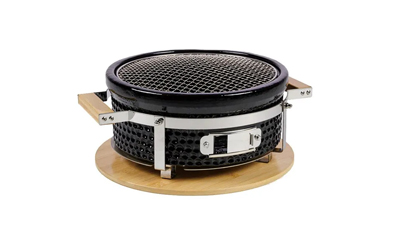
Commercial Ceramic Hibachi Grills: For restaurants focusing on authentic skewered meats (Yakitori) or premium seared steaks, Ceramic Hibachi Grills are essential. Unlike metal, the high-fire mulite ceramic used by Auplex provides superior infrared heat, which sears the outside of the protein instantly while locking in juices.
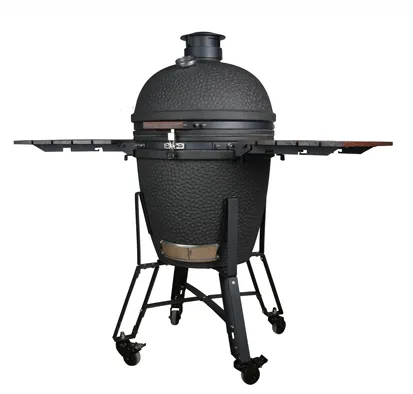
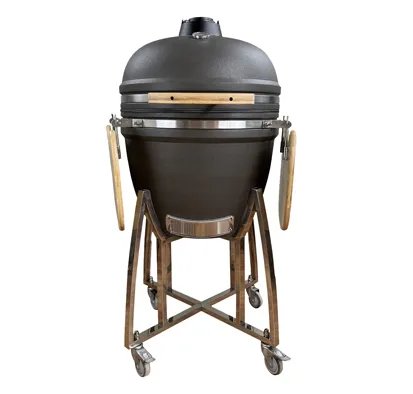
Kamado Grills for Smoke & Roast: Many modern “Hibachi” fusion restaurants utilize larger Kamado grills to smoke or slow-roast ingredients before finishing them on the high-heat hibachi surface, offering a more complex flavor profile.
The Operational Impact of High-Quality Grills
For restaurant owners, a grill is more than a cooking tool; it is a high-volume production asset. Auplex Kamado designs its commercial line to meet these rigorous operational demands:
Thermal Efficiency: Auplex’s 100-meter electric tunnel kiln process ensures that each grill can maintain stable temperatures up to 750°F (400°C). This thermal mass prevents “heat dips” during peak hours, allowing for back-to-back service without waiting for the grill to recover.
Cost Management: Due to the 40% fuel-saving properties of ceramic insulation, restaurants can significantly reduce their monthly charcoal expenditure compared to using open-top metal grills.
Brand Customization (OEM/ODM): Restaurants can leverage Auplex’s manufacturing scale to customize grills with specific colors, textures (Diamond or Fish Scale), and engraved logos, turning the cooking equipment into a part of the brand’s visual identity.
Maintenance Protocols for Commercial-Grade Grills
Longevity in a kitchen environment requires equipment that is easy to maintain. Professional maintenance for Auplex Ceramic Grills focuses on:
Carbon Decarbonization: High-heat “self-cleaning” is a major benefit of ceramic. By bringing the grill to high temperatures after service, residual grease is carbonized, requiring only a simple brush-down.
Airtight Seal Integrity: Regular inspection of the stainless steel vents and top dampers ensures that the chef maintains 100% control over the fire, preventing flare-ups that could ruin expensive cuts of meat.
Stainless Steel Durability: Utilizing high-grade stainless steel for cooking grates and hardware ensures that the equipment resists the corrosive effects of salt and marinades common in Japanese cuisine.
Professional Cooking Techniques and Searing Science
Hibachi chefs rely on the Radiant Infrared Heat provided by ceramics. Unlike gas flames, which can dry out food, the radiant heat from an Auplex Ceramic Hibachi mimics the sun’s energy, penetrating the meat deeply and evenly.
Flash Searing: The high peak temperatures allow chefs to achieve a “char” on seafood and thin-sliced meats in seconds.
Precision Smoking: By adjusting the calibrated vents, chefs can introduce a hint of smoke flavor even during a quick sear, a technique that sets premium hibachi restaurants apart from standard fast-food griddles.
Why Commercial Owners Trust Auplex Kamado
With over 21 years of export experience and a 40,000 sqm production facility, Auplex is the industry leader for a reason. Every commercial grill produced undergoes strict quality control and holds international certifications:
BSCI & ISO9001: For ethical and quality-managed manufacturing.
FDA & LFGB: Ensuring all ceramic glazes are 100% food-safe at extreme temperatures.
Global Retail Partnerships: As a supplier for Costco, Metro, and B&Q, Auplex’s durability is proven across the world’s most demanding markets.
FAQs about Grills
Q: Can these commercial grills be customized for a specific restaurant decor?
A: Yes. Auplex provides extensive OEM/ODM services, allowing you to choose from various outer textures (like Orange Peel or Diamond) and custom colors to match your restaurant’s interior design.
Q: What is the benefit of a ceramic hibachi over a cast iron one for a busy kitchen?
A: Ceramic offers better thermal mass. While cast iron heats up quickly, it also loses heat quickly. Auplex’s ceramic walls store heat, ensuring the grill stays at “searing temperature” much longer with less charcoal.
Q: How do chefs manage different temperature zones on a single grill?
A: On a tabletop kamado bbq, chefs can use a “slope” charcoal arrangement. They can stack more charcoal on one side for direct searing and leave the other side with a thin layer for indirect warming, all within the same ceramic chamber.
Q: What type of charcoal do you recommend for the best restaurant-quality results?
A: Binchotan (White Charcoal) is the professional choice for its long burn time and clean heat, but high-quality Hardwood Lump Charcoal is the most common commercial alternative for its rapid lighting and intense aroma.