Is a Hibachi Grill Worth It
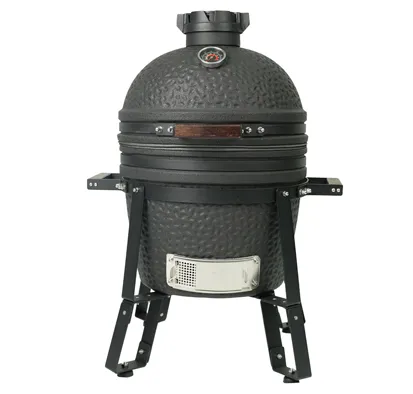
As outdoor cooking evolves into a lifestyle, grilling enthusiasts frequently ask: Is a hibachi grill worth the investment? While the market is flooded with various cooking solutions, the Japanese-style hibachi stands out for its blend of simplicity and high-performance searing. For those seeking professional-grade equipment, the Ceramic Hibachi Grills from Auplex Kamado represent a significant step up in both flavor and durability. This article analyzes the true value of adding a hibachi to your culinary arsenal.
The Value Proposition of Hibachi Grilling
The primary appeal of a hibachi grill lies in its thermal efficiency and flavor density. Unlike large backyard grills that require significant time and fuel to heat up, a compact ceramic hibachi focuses all its energy into a concentrated cooking zone.
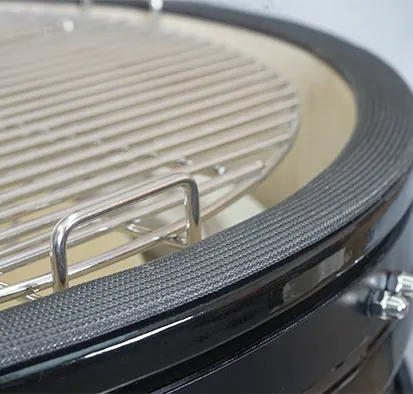
Infrared Heat Science: The thick ceramic walls of an Auplex grill reflect infrared heat back into the food, searing meat 30% faster than traditional open-air metal grills while retaining 20% more moisture.
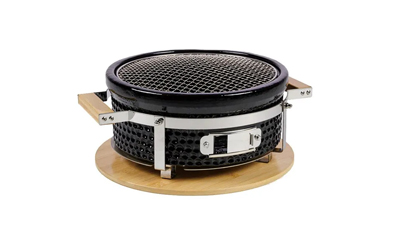
Space-Saving Portability: For urban dwellers with balconies or enthusiasts who enjoy tailgating and camping, a Japanese portable barbecue offers a “pro-kitchen” experience in a compact, portable format.
Social Engagement: Hibachi is inherently communal. Its tabletop design turns cooking into an interactive event, which adds an experiential value that goes beyond the meal itself.
Cost-Benefit Analysis: Initial Investment vs. Lifetime Value
When determining if a hibachi is “worth it,” you must look past the sticker price.
The Durability Gap: Cheap metal hibachis (often under $50) are prone to rust and heat warping after a single season. In contrast, an Auplex Ceramic Hibachi is fired in a 100-meter electric tunnel kiln, creating a vitrified shell that can last a decade or more.
Fuel Economy: Because ceramic retains heat so effectively, you use significantly less charcoal per cook. Over 2-3 years, the savings in fuel (up to 40%) often cover the initial price difference between a premium ceramic model and a budget metal one.
Commercial Potential: For restaurant owners, the ROI is driven by speed of service and food quality. Auplex’s BSCI and ISO9001 certified manufacturing ensures that these grills can handle daily commercial use, making them a low-risk, high-reward investment.
Strategic Comparison: Hibachi vs. Full-Sized Kamado Grills
Many buyers wonder if they should skip the hibachi for a full-sized 21-inch Kamado. The decision comes down to your cooking frequency:
The Hibachi Advantage: It is ideal for “flash cooking”—steaks, kebabs, and seafood. Its compact footprint also provides many of the practical benefits buyers expect from a tabletop kamado bbq. It reaches searing temperatures in under 15 minutes, whereas a large Kamado may take 30-40 minutes.
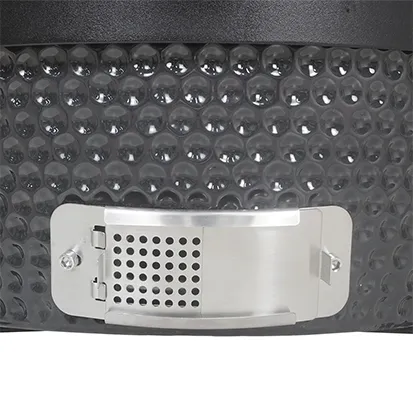
The Auplex Hybrid Solution: Auplex designs its hibachis with calibrated air vents, allowing them to mimic the temperature control of larger grills. While you can’t roast a whole turkey, the hibachi excels at 90% of daily grilling tasks with a fraction of the setup time.
Manufacturing Excellence and Quality Assurance
A grill is only worth the investment if it is safe and reliable. Auplex Kamado, with over 21 years of experience, operates a 40,000 sqm state-of-the-art facility that guarantees:
International Compliance: Every grill is tested to meet FDA, LFGB, and CE food safety standards, ensuring that high temperatures don’t release toxins from the glaze.
Customization (OEM/ODM): For distributors, the value is in the brand. Auplex offers unique textures like Diamond, Fish Scale, and Orange Peel, as well as custom logo engraving, adding a layer of exclusive market value to your product line.
Maximizing Your Investment Through Proper Maintenance
To ensure your hibachi grill remains a worthwhile investment for decades, specific maintenance is required.
Thermal Shock Prevention: Ceramic is robust but dislikes moisture. Store your hibachi in a dry place or use a custom-fit Auplex rain cover.
Self-Cleaning Cycles: Avoid chemical soaps. The “worth” of a ceramic grill is in its self-cleaning ability; simply open the vents after cooking to let the high heat carbonize any residue, which can then be easily brushed away.
FAQs about Hibachi Grill
Q: Do ceramic hibachi grills have a high resale value?
A: Yes. Because high-quality ceramic from manufacturers like Auplex does not rust or degrade like metal, well-maintained units often retain 50-70% of their original value on the secondhand market, making them a “hard asset” for BBQ enthusiasts.
Q: Can I use a ceramic hibachi in freezing winter temperatures?
A: Absolutely. One of the biggest reasons they are “worth it” is their insulation. While metal grills struggle to hold heat in the cold, the thick walls of an Auplex Hibachi protect the fire from external temperatures, allowing for consistent winter grilling.
Q: What are the most essential accessories to increase a hibachi’s utility?
A: Investing in a Pizza Stone and Heat Deflector from Auplex can turn your hibachi into a miniature oven, allowing you to bake small breads or pizzas, which effectively triples the grill’s functionality.
Q: Is it difficult to find replacement parts for Auplex grills?
A: No. As a global leader with mass-scale production (50,000–70,000 units annually), Auplex maintains a consistent supply of replacement vents, grates, and hinges, ensuring your investment is never sidelined by a broken minor component.