Differences Between Ancient Kamado Clay Ovens and Contemporary Ceramic Technology
Kamado Grill as a representative of high-end barbecue equipment, its material evolution directly affects the barbecue experience. From traditional clay ovens to contemporary ceramic technology, Kamado Grill, represented by the Auplex Kamado Grill as a high-end barbecue solution, has achieved a leap from traditional to modern technology. This article will delve into the core differences between the two from three aspects.
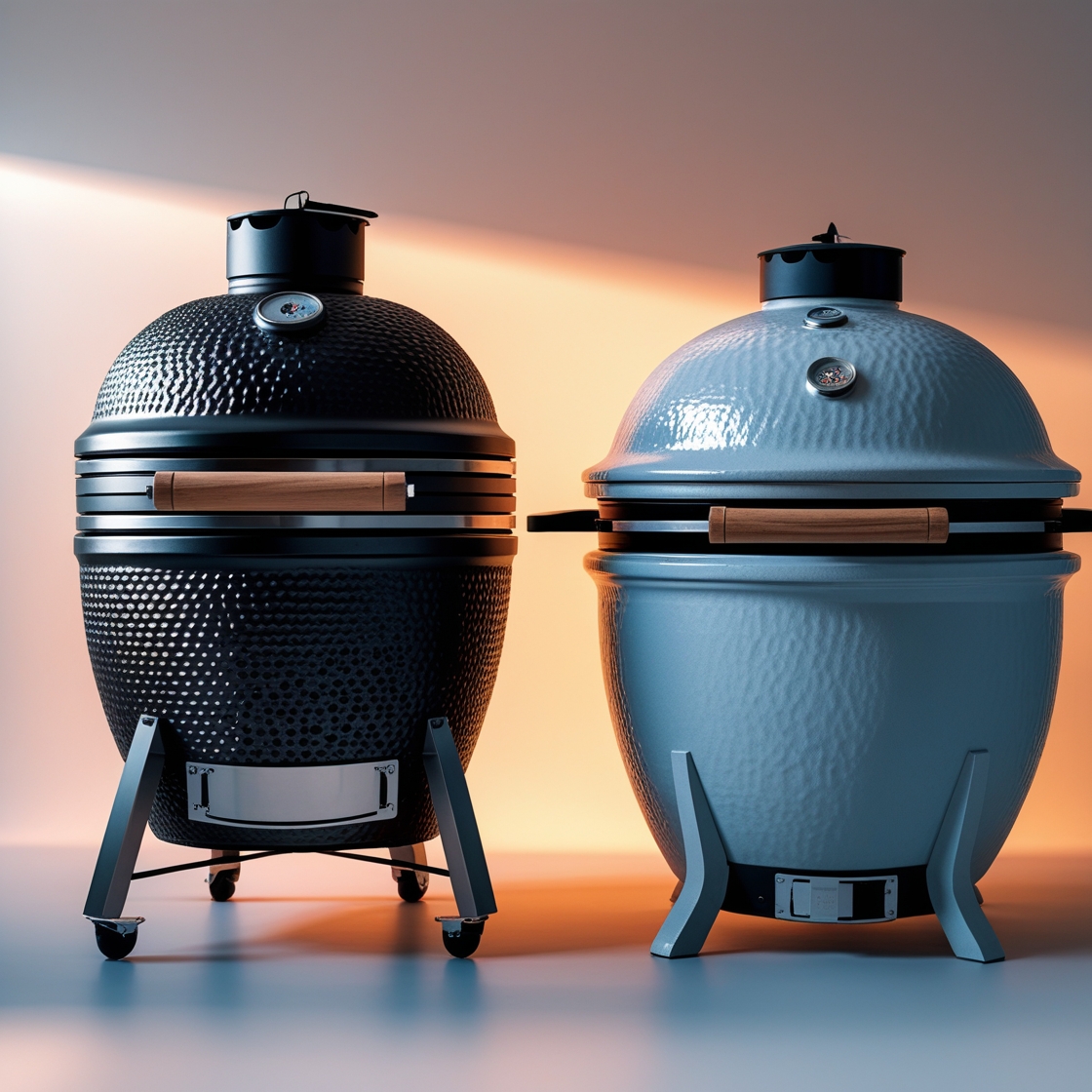
1. Kamado Grill Traditional Clay Ovens: Warm Insulation, but Prone to Cracking
Early Kamado Grill were mostly made of pure clay, with strong insulation and rich smoky flavor, and were an important symbol of traditional Asian barbecue culture. However, clay material easily cracks when exposed to high temperatures or moisture, has a short lifespan, and is relatively heavy and difficult to move. These disadvantages limited its popularity in modern household and commercial environments.
2. Kamado Grill Modern Ceramic Versions: High Temperature Resistant, Weatherproof, More Portable
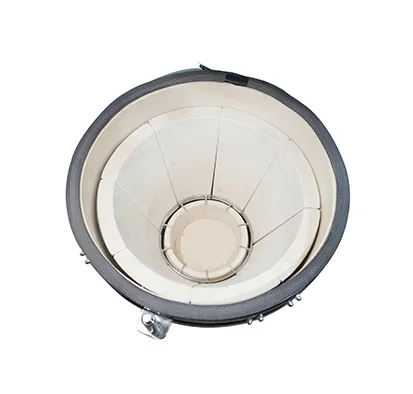
With the development of material technology, Kamado Grill adopts advanced ceramic materials with excellent thermal shock resistance. Compared to traditional clay, modern ceramics are more durable, less water-absorbent, suitable for use in humid and high-altitude environments, with higher thermal efficiency. At the same time, the modern Kamado Grill is designed to be more user-friendly, making cleaning and maintenance more convenient.
3. Kamado Grill Material Differences' Direct Impact on Barbecue Results
The selection of raw materials for products tested with different clay materials greatly improves the durability and texture stability of the Kamado. Modern Kamado Grill can precisely control the temperature, ensuring more even heating of barbecue ingredients and better smoky flavor; while traditional clay ovens are prone to cracks after long-term use, have a relatively simple and rustic appearance, and are harder to achieve precise temperature control, with limited application scenarios.
Choosing Kamado Grill is not just choosing a way of barbecuing, but also embracing a lifestyle of modern technology and primitive nature. Understanding the material differences can help you find the most suitable grill for your needs.