How to Smoke a Brisket on an Auplex Kamado Grill
Achieving tender, smoky brisket with a deep mahogany bark is equal parts science and patience, and the Auplex kamado grill makes the process almost foolproof. Its thick ceramic walls and precise airflow control allow you to hold low-and-slow temperatures for twelve hours or more with minimal fuss. This step-by-step guide covers everything from selecting the perfect brisket to trimming, seasoning, fire management, wrapping, resting, and finally slicing the masterpiece you'll be proud to serve.
Step One: Gear Check
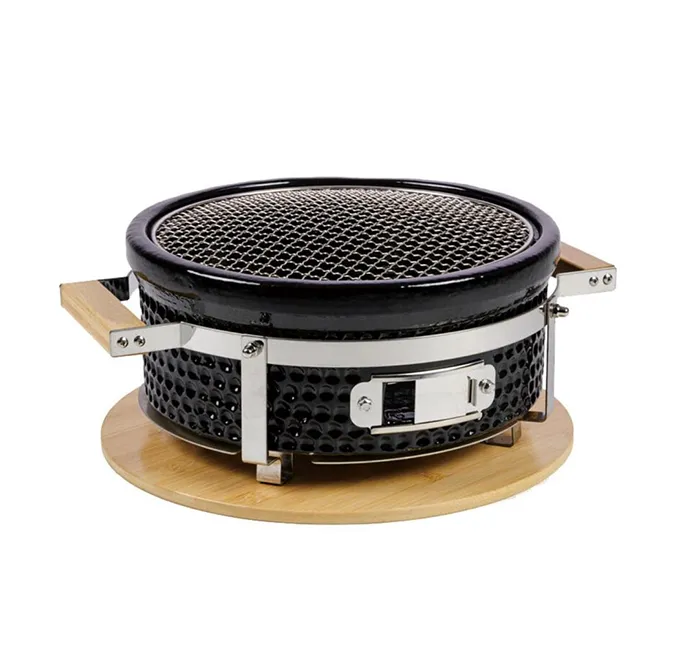
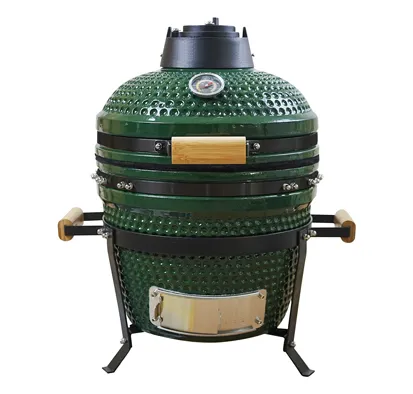
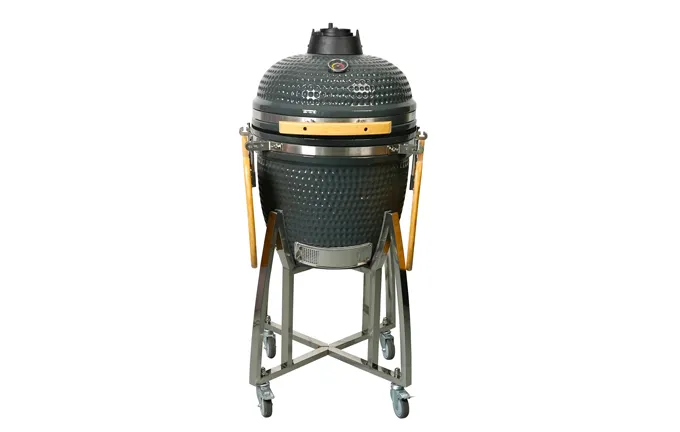
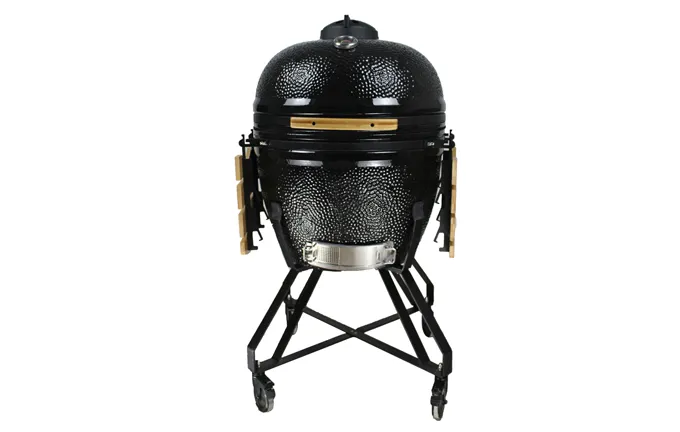
An Auplex kamado grill is the ideal vessel for brisket, with the larger sizes offering the most cooking space and forgiveness, though even a medium model can produce excellent results with careful trimming and placement. Always fuel it with premium natural lump charcoal—it burns cleaner and hotter than briquettes—and mix in a few chunks of smoking wood for authentic flavor. Have a drip pan ready to catch rendered fat, a reliable wireless meat thermometer to track progress without opening the dome, heat-resistant gloves, butcher paper for the Texas crutch, sturdy tongs, a sharp slicing knife, and a large cutting board. For wood, post oak remains the traditional choice, but hickory, white oak, or a touch of pecan all deliver outstanding results.
Step Two: Picking the Right Brisket
Quality starts at the butcher case. Look for heavy marbling—those thin rivers of intramuscular fat that baste the meat from within during the long cook. A full packer brisket that includes both the lean flat and the fatty point is the gold standard. If possible, choose USDA Prime for the highest fat content and most forgiving margin of error, though Choice can still turn out beautifully with proper technique. Plan on roughly half a pound of finished brisket per person after trimming and cooking loss.
Step Three: Trimming & Prepping the Brisket
A sharp knife is your best friend here. Remove hard, waxy fat that will never render, square off thin or irregular edges that would otherwise overcook and dry out, and sculpt the brisket into an aerodynamic shape that promotes even cooking. Leave a uniform fat cap of about one-quarter to one-half inch thick—it protects the meat and contributes flavor as it slowly bastes the surface.
Step Four: Seasoning
Brisket loves bold seasoning. Coat every inch generously with a simple but effective rub—typically equal parts coarse black pepper and kosher salt, with optional garlic, onion powder, or paprika. A thin layer of yellow mustard can act as a binder if you like, though many skip it entirely. For maximum flavor penetration, apply the rub twelve to twenty-four hours ahead and let the brisket rest uncovered in the refrigerator. If you want extra insurance against dryness on leaner flats, consider injecting with beef broth or stock.
Step Five: Setting Up the Kamado Grill
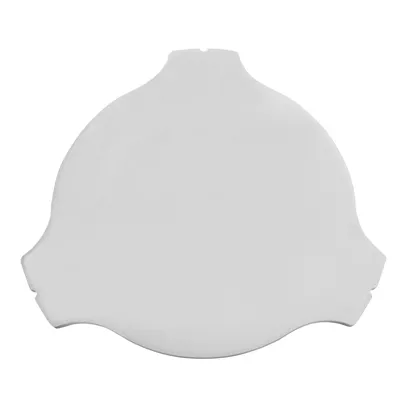
Start with a clean firebox—stir the existing coals and remove excess ash. Fill with fresh lump charcoal to the top of the fire ring, bury a few wood chunks throughout the pile, and light in a single central spot so the fire spreads slowly and evenly. Install the heat deflector for indirect cooking, place a foil drip pan on top of it to catch drippings, and set the cooking grate in place. Stabilize the dome temperature between 225°F and 250°F before the meat ever touches the grate.
Step Six: Smoking the Brisket
Lay the brisket fat-side up (or down, depending on your heat source location—most prefer up on a kamado to shield the meat) and let it ride undisturbed for the first six to eight hours while a gorgeous bark forms. When the internal temperature stalls around 160°F to 170°F, wrap it tightly in uncoated butcher paper after drizzling with a little melted tallow or beef fat. The paper allows the bark to continue firming up while powering through the stall faster. Return the wrapped brisket to the grill and continue cooking until the thickest part of the flat probes like soft butter—typically around 203°F internal. Total cook time usually lands between ten and fourteen hours, depending on size and exact temperature.
Step Seven: Resting
Resist the urge to cut immediately. Wrap the brisket loosely in foil, then in an old towel, and place it in an insulated cooler to rest for one to four hours. This crucial step lets the muscle fibers relax and the juices redistribute, turning good brisket into legendary brisket.
Slicing Tips
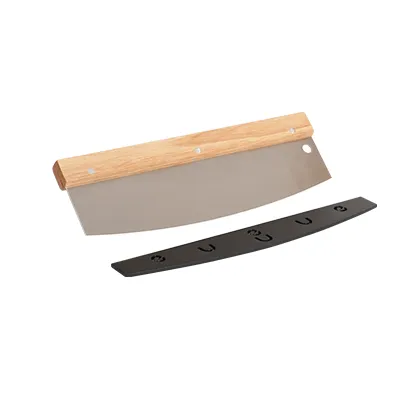
Once rested, separate the point from the flat where the fat seam divides them. Slice each muscle against the grain—the flat into uniform pencil-thin slices for classic presentation, and the point into thicker cubes that can be returned to the grill with sauce for burnt ends or served as-is for richer, fattier bites. Serve with pride, because when the bark cracks and the slices bend without breaking, you've just created backyard barbecue perfection on your Auplex kamado grill.