Kamado Grill Temperature Control Tips
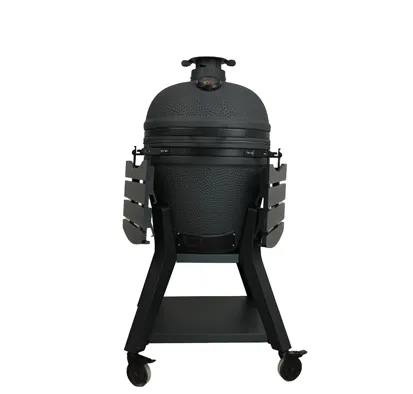
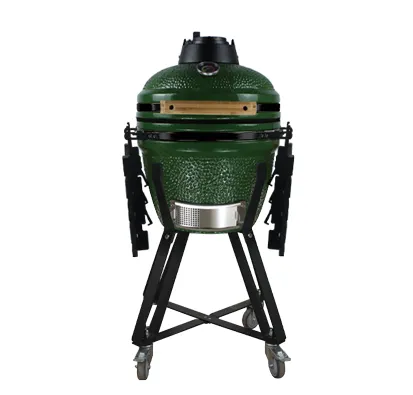
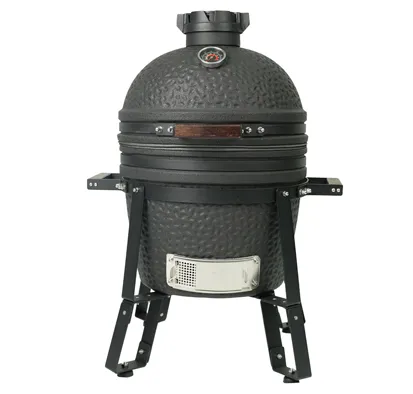
Kamado grills are highly versatile cooking devices, known for their ability to maintain precise temperatures, making them ideal for both slow cooking and high-heat searing techniques. As outdoor grill brands continue to elevate their designs, enthusiasts keen on optimizing their cooking techniques often focus on mastering temperature control. This article provides insightful tips on managing the temperature of your kamado grill, through understanding the role of airflow vents, achieving varied cooking styles, utilizing monitoring tools, tackling environmental variations, and more. Whether you want to perfect the art of smoking on a ceramic bbq grill, a ceramic hibachi grill, or dream of expertly grilling sumptuous dishes, these tips offer practical methods to enhance your grilling prowess.
Understanding Airflow Vents
Airflow is crucial in controlling the cooking temperature in a kamado grill. By manipulating the vents found both at the top and bottom of the grill, users can control the amount of oxygen feeding the fire, which impacts the heat level.
Cooking Style | Top Vent Setting | Bottom Vent Setting |
Smoking | Barely Open | Partially Closed |
Slow Cooking | Half Open | Partially Open |
Grilling | Fully Open | Fully Open |
For instance, when aiming for low and slow cooking, the top vent should be barely open while the bottom vent should be partially closed to maintain low heat. Conversely, for charcoal fire starter-backed grilling, both vents should be fully open to create high temperatures, akin to a commercial grill experience.
Achieving Low and Slow Cooking
Low and slow cooking is synonymous with tender, flavorful dishes. Kamado grills excel in this method due to their excellent insulation and ability to hold steady temperatures for prolonged periods.
Investing in a charcoal smoker with customizable controls can ease this process. Practice setting your charcoal bbq smoker to consistent temperatures around 225-250°F. Utilize a heat deflector under your food to ensure indirect heat, preventing overcooking, and promoting even smoking. Adding smoker accessories can further help in refining your technique by providing controlled smoke infusion.
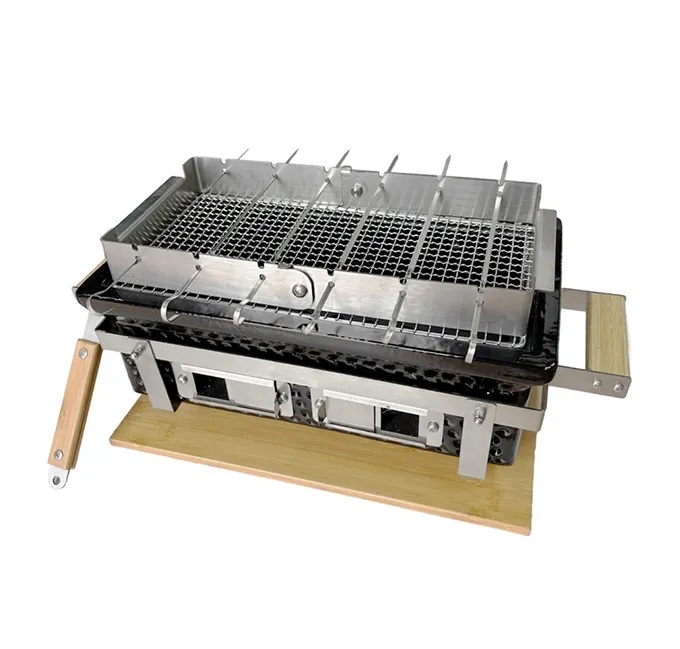
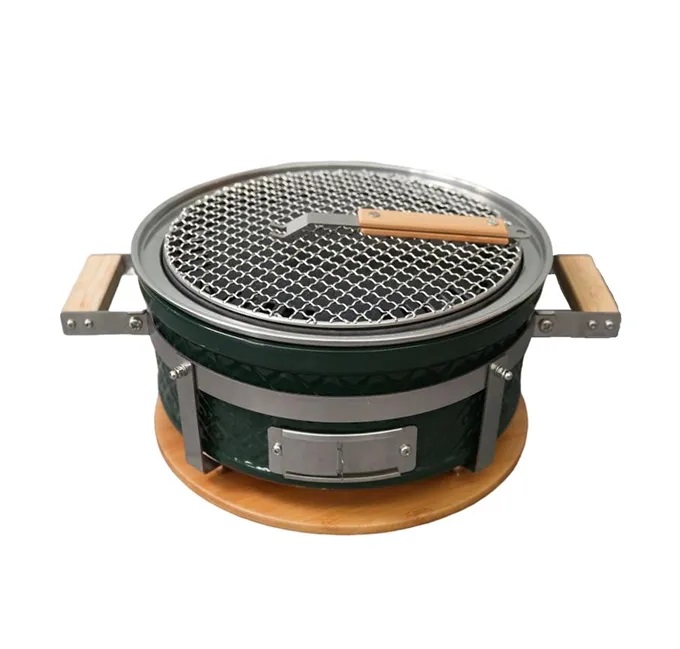
If you're looking to perfect your slow cooking with a more compact, portable option, consider using a ceramic hibachi grill. Its small size and efficient heat retention make it ideal for slow roasting small cuts of meat, vegetables, and even delicate fish.
High-Heat Searing Techniques
For high-heat searing techniques, kamado grills provide impressive results comparable to a grill oven. Achieving this requires vent control to open fully, allowing more oxygen in. Additionally, using quality fuel like premium lump charcoal aids in reaching temperatures upwards of 600°F.
Many outdoor built-in grill enthusiasts also use ceramic cooking surfaces within kamado grills to achieve a distinct sear on meats or vegetables. Opting for a cast iron bbq grill accessory provides ideal heat retention and a robust sear finish on your dishes. This is especially effective for steaks, burgers, and other high-heat cuts of meat.
For grilling enthusiasts looking for a compact option with strong searing capabilities, a ceramic hibachi grill offers the perfect balance of portability and high-temperature performance, making it an excellent choice for small, intense grilling sessions.
Monitoring Tools and Gadgets
Precision cooking doesn't have to be daunting. Thanks to wireless digital thermometers, keeping track of the temperature without opening the grill becomes effortless. Such tools enable more effective management of the cooking process, ensuring temperatures don't stall, especially during long cooks.
Additions like a professional bbq tools set can include various gadgets to swiftly adjust vents or maintain cleanliness — aiding the user's efficiency in achieving the desired heat level consistently. Enthusiasts often rely on kamado pellet grill models for more advanced temperature control and smoke adjustments.
For those who prefer using smaller grills like a ceramic hibachi grill, using a simple, portable thermometer can help you manage heat without having to rely on multiple adjustments.
Adjusting for Weather Conditions
Weather can significantly affect cooking efficiency. Cold temperatures may require increased fuel input to maintain desired heat, whereas windy conditions could necessitate adjusting vent settings more frequently.
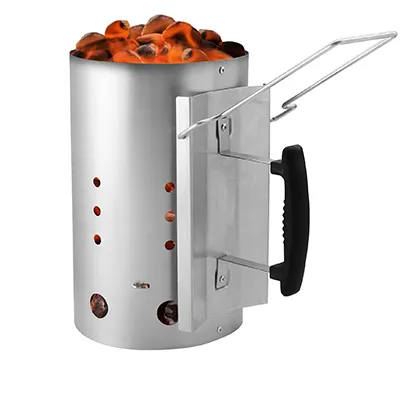
Using a rain cover can protect your kamado grill during adverse conditions, while a charcoal lighter can provide an added boost in maintaining consistent heat. Engaging with this dynamic aspect of cooking enhances your knowledge and appreciation, equipping you to handle unexpected weather changes seamlessly.
Conclusion
Understanding temperature control is central to mastering the kamado grill experience. It involves strategic vent manipulation, selecting the right cooking style, incorporating monitoring tools, and adapting to weather conditions to yield perfect results. Whether for a bbq oven preparation, a built-in barbecue grill session, or using a ceramic hibachi grill for quick and intense grilling, these tips aim to refine your approach to using outdoor oven devices. As kamado grill green egg models increase in popularity, becoming adept at their temperature control capabilities is integral to enjoying delectable, smoke-infused dishes.
By applying these temperature control strategies, you can enhance the performance of your ceramic hibachi grill or any other kamado-style grill, ensuring each meal is cooked to perfection, every time.